Spring-fed pools, lagoons at the foot of the volcano and pine forests in the mountains. The places this guide brings together, with their location, services and hours.
Churches, museums, plazas and historic centers in Colima, Villa de Álvarez, Comala, Armería, Coquimatlán, and Cuauhtémoc. Among them, the Colima Cathedral Basilica, the Historic Center of Comala and the La Petatera bullring.
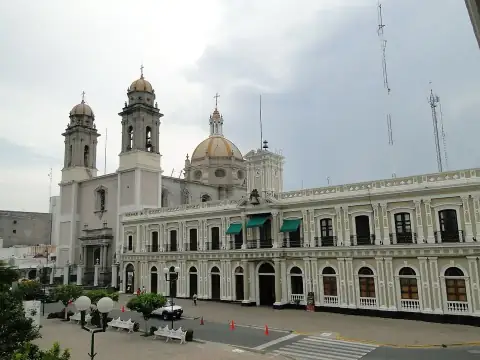
On a corner of Jardín Libertad, the cathedral dates back to the 16th century and has been rebuilt several times after earthquakes. Its current neoclassical structure has twin towers and a large dome, among the tallest buildings in the city. Inside, cedar wood carvings and the old statue of San Felipe de Jesús, patron saint of Colima, stand out. It has been a minor basilica since 1998.
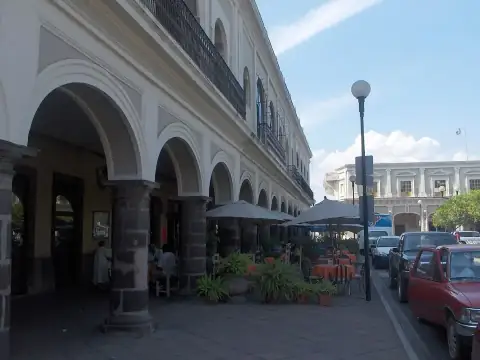
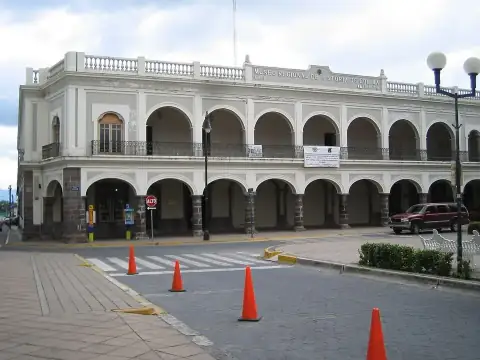
The heart of the capital revolves around Jardín Libertad, with its 1891 Belgian kiosk, the Cathedral, the Government Palace and the arcades with ice cream shops and cafés. A few steps away are the Regional History Museum, the University Pinacoteca, the Hidalgo Theater and the pedestrian Constitución walkway, with live music. It received the Barrio Mágico distinction in 2024.
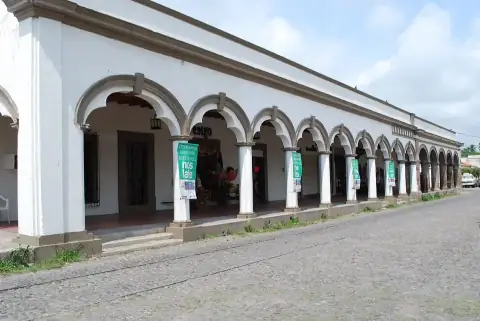
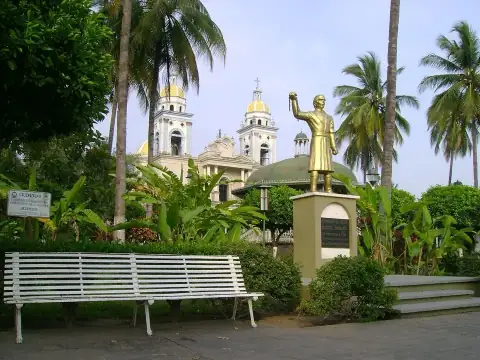
Known as the White Town of America, Comala has been a Pueblo Mágico since 2002 and its historic center is a historic monuments zone. Whitewashed houses with red roofs, cobbled streets, arcades with traditional eateries and cafés, and a garden with a colonial kiosk and a Juan Rulfo sculpture make a walk the best way to enjoy it. It is easy to reach from Colima.
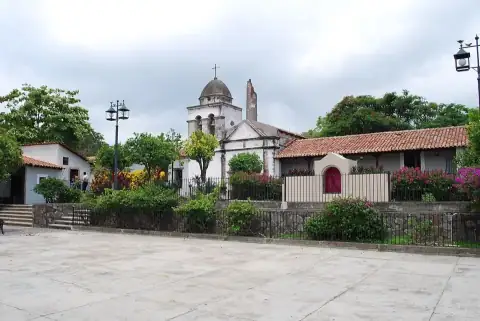
Former sugar hacienda, now the Nogueras University Cultural Complex. Around its chapel of Nuestra Señora del Refugio and its cobbled streets is the Alejandro Rangel Hidalgo University Museum, with four rooms of pre-Hispanic shaft-tomb ceramics, paintings, furniture and ironwork by the Colima artist, plus his studio. It is visited with a guide.
Museum dedicated to the charro-bullfighting festivities of Villa de Álvarez, housed in the municipality's Casa de la Cultura. Three video screens explain the celebration from its religious side, the charro-bullfighting side and the history of La Petatera. On display are bullfighters' costumes, a scale model of the bullring, an oil mural by Víctor Ayala and other items of the tradition.
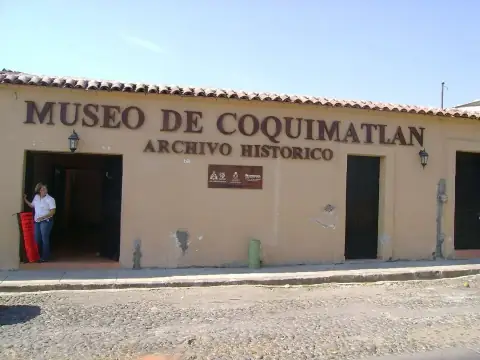
Museum and historical archive in downtown Coquimatlán that introduces visitors to the customs and artistic expressions of the municipality throughout its history. It is named after Ramón Navarro Osorio in recognition of his work promoting local culture. Admission is free and guided tours are offered.
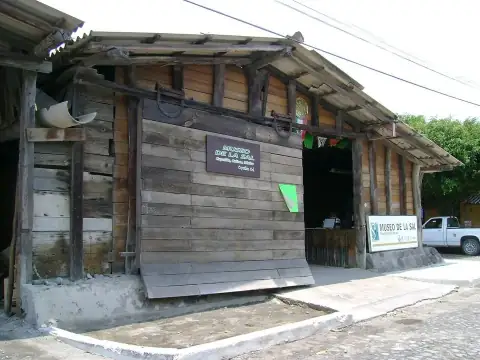
Opened in 2022 in a wooden warehouse about 80 years old, this museum preserves the salt-making heritage of Cuyutlán, a town whose life has long depended on salt production. It displays models, photographs, posters, a whale skeleton and rustic figures showing how salt is made. It is run by the Colima Salt Workers Cooperative and offers guided tours.
Community museum created with donations from Quesería residents and the local sugar mill. It explains sugar production and the town's history since 1645, when friar Antonio Pérez built the first trapiche (sugar press). It has three rooms with farm tools, sugar industry equipment and sacred art, including an 1871 altar and 37 antique priestly vestments. Admission is free.
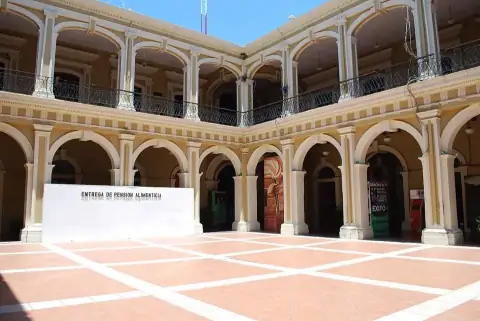
Housed in a Porfirian-era building facing the main plaza, this INAH museum traces Colima's history from pre-Hispanic times to the 20th century. It displays Capacha, Ortice and Comala pottery, shaft tombs, evangelization, trade with the Philippines, Benito Juárez's passage and the Revolution. It opened in 1988 and INAH has managed it since 1989.
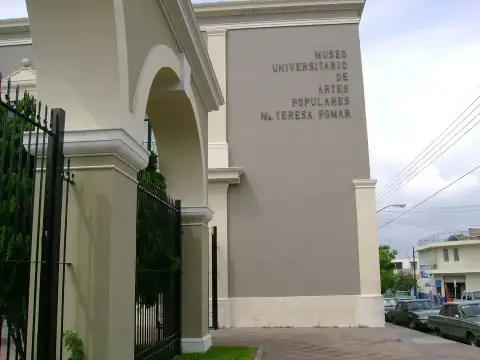
University of Colima museum with a collection of Mexican folk art organized by craft: wood, textiles, plant fibers, leather, paper, ceramics, metalwork, toys, lacquer and more. It includes the Colima Room, with dance costumes, masks and instruments. Its building imitates traditional Colima houses, with a central courtyard and arcades. Guided tours in Spanish and English are offered.
A 17th-century mansion remodeled by the University of Colima and dedicated to the writer Fernando del Paso. It holds more than two thousand works including poems, paintings, prints and drawings, plus videos and photographs about his life. It has five rooms, temporary exhibitions by young creators and round tables on his literary work.
French-inspired neoclassical building, under construction from 1877 next to the Cathedral. Its main staircase has murals by Jorge Chávez Carrillo (1953) on Mexican history; the facade has a replica of the Dolores bell and a clock brought from Germany. On the ground floor, the Palace Museum has rooms on Alfonso Michel, numismatics, archaeology and weapons, with free admission.
Parish church on the main garden of Villa de Álvarez, next to the Miguel Hidalgo monument. Its first stone was laid in 1903 as the Almoloyán parish, and since 1953 it has been the church of San Francisco de Asís. Its feast is celebrated every October 4, with the traditional sale of milk empanadas in the garden. INAH lists it as a historic monument.
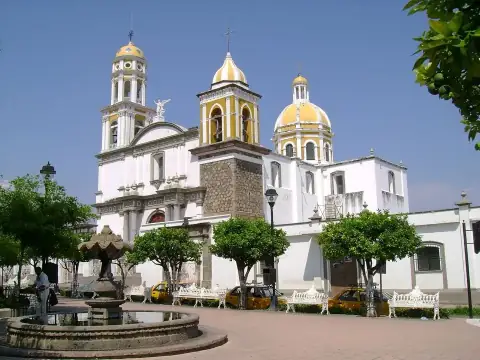
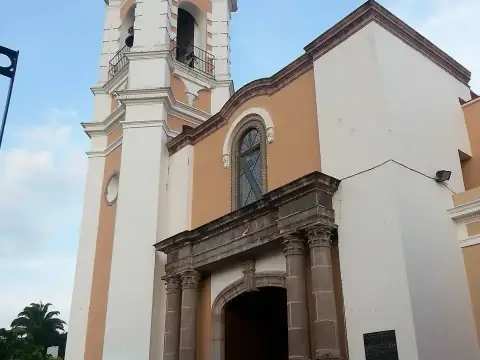
Nineteenth-century neoclassical church dedicated to the town's patron saint, San Miguel Arcángel. Its white facade with yellow towers can be seen from many points in Comala and faces the main garden, next to the kiosk and the Juan Rulfo sculpture. It was completed in 1884 and INAH lists it as a historic monument.
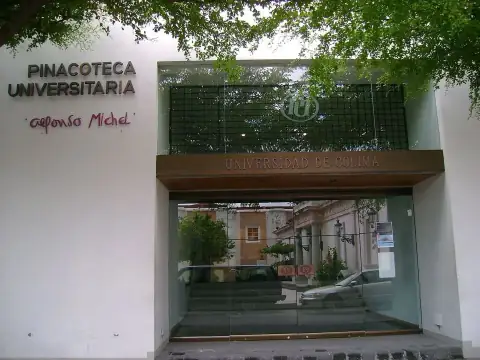
Housed in old mansions in downtown Colima restored between 1994 and 1996, the Pinacoteca is the city's main art museum. It has eleven rooms around arched courtyards, a permanent exhibit dedicated to Colima painter Alfonso Michel, and temporary exhibitions of regional and national art. Its collection exceeds a thousand works of painting, drawing, sculpture, printmaking and photography.
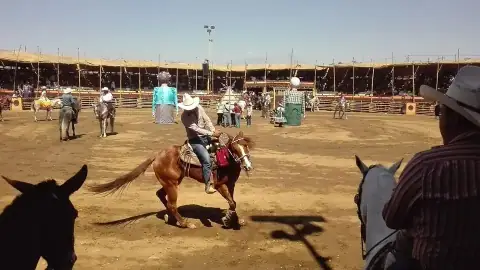
A unique bullring built every year with wood, woven palm mats and ixtle fiber using craft techniques with over 160 years of tradition. It goes up in February for the Villa de Álvarez Charro-Bullfighting Fair and is taken down afterwards; it has a 60-meter ring and seats about 5,000 people. It has been intangible cultural heritage of the state of Colima since 2013.
Museum in a mansion in downtown Colima holding more than 1,200 graphic works by Adolfo Mexiac, a 20th-century artist and member of the Taller de Gráfica Popular from 1950 to 1960, known for socially driven work: prints, screenprints and murals. It has two permanent exhibition rooms and an audiovisual room.
Exhibition hall of the Colima Graphic Arts Training and Production Center, on the Villa de Álvarez-Comala highway. Its collection exceeds 1,200 prints gathered through donations and exchanges, with works by Juan Soriano, Francisco Toledo, Gilberto Aceves Navarro, Jean Hendrix and José Luis Cuevas. Admission is free; there is parking, restrooms and accessibility for people with disabilities.
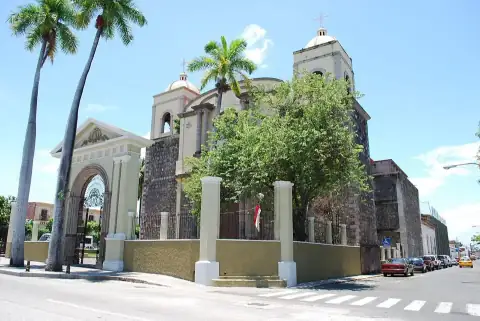
Church in the La Merced neighborhood, south of downtown Colima, registered by INAH as a historic monument. Its dark stone facade with two towers sets it apart among the city's churches. The feast in honor of Our Lady of Mercy is celebrated here every September 24.
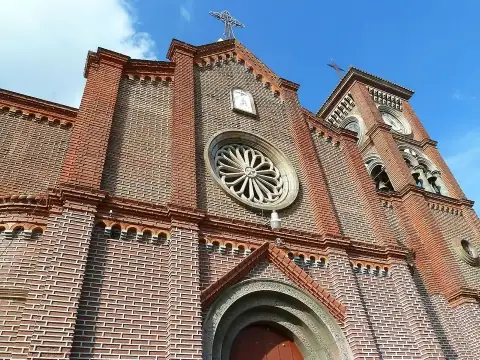
Exposed-brick church on Matamoros street, east of downtown Colima, registered by INAH as a historic monument. Its brick facade, with a rose window and towers, contrasts with the neoclassical style of the cathedral. Festivities in honor of Our Lady of Refuge are held every July 4.
Known as El Beaterio or El Sagrario, this church in downtown Colima, next to Jardín Hidalgo, stands out for its tall bell tower, its single long nave and its stone portal with columns. It is dedicated to San Felipe de Jesús, patron saint of the city since 1668, whose feast is celebrated every February 5. The Carmen chapel stands next to it.