Spring-fed pools, lagoons at the foot of the volcano and pine forests in the mountains. The places this guide brings together, with their location, services and hours.
Archaeological sites and museums in Colima, Villa de Álvarez, and Tecomán. Among them, the El Chanal archaeological site, La Campana and the Caxitlán Archaeological Museum.
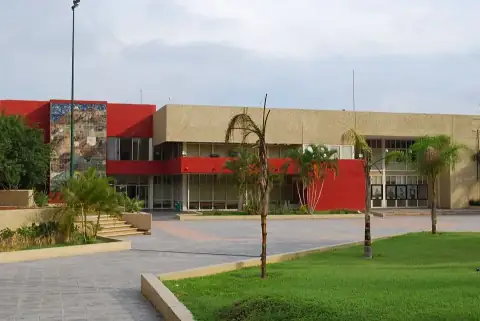
Opened in 2003, this museum offers a look at the ancient history of western Mesoamerica. Its collection centers on death, with tombs and funerary offerings, and explains the cultural geography of today's Colima, Jalisco and Nayarit. It is located in the Tecomán Casa de la Cultura complex and admission is free.
Inside the Colima Casa de la Cultura, this museum holds a broad collection of pre-Hispanic pieces from Colima, largely donated by researcher María Ahumada, including the famous clay dancing dogs. Its 11 permanent rooms cover themes such as Mesoamerica and the West, lithics, architecture, religion, music, fauna and flora, work and technology.
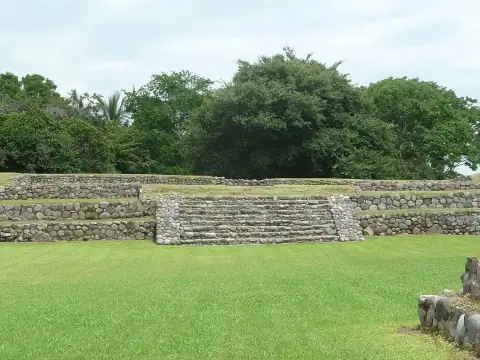
El Chanal was one of the largest Postclassic settlements in the Colima valley, flourishing between the 12th and 14th centuries. The tour covers the Plaza of the Altars, the Ball Court, the Plaza of Day and Night, the Plaza of Time and the Plaza of Water, with petroglyph blocks. The site has an administration office and a site museum.
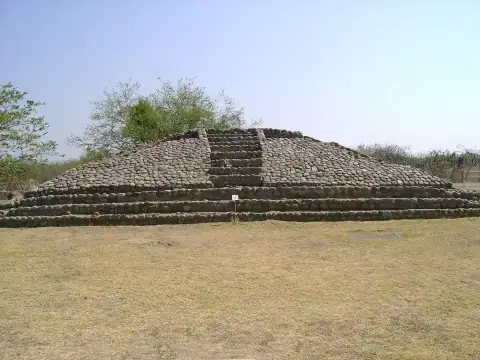
With the Colima Volcano as a backdrop, La Campana (ancient Almoloyan, "place among running water") is, according to INAH, one of Mesoamerica's earliest urban settlements. Its ceremonial center keeps platforms and chambers built of river stones, planned streets and many petroglyphs in plazas and courtyards. There is an information module and guided tours.